
Description
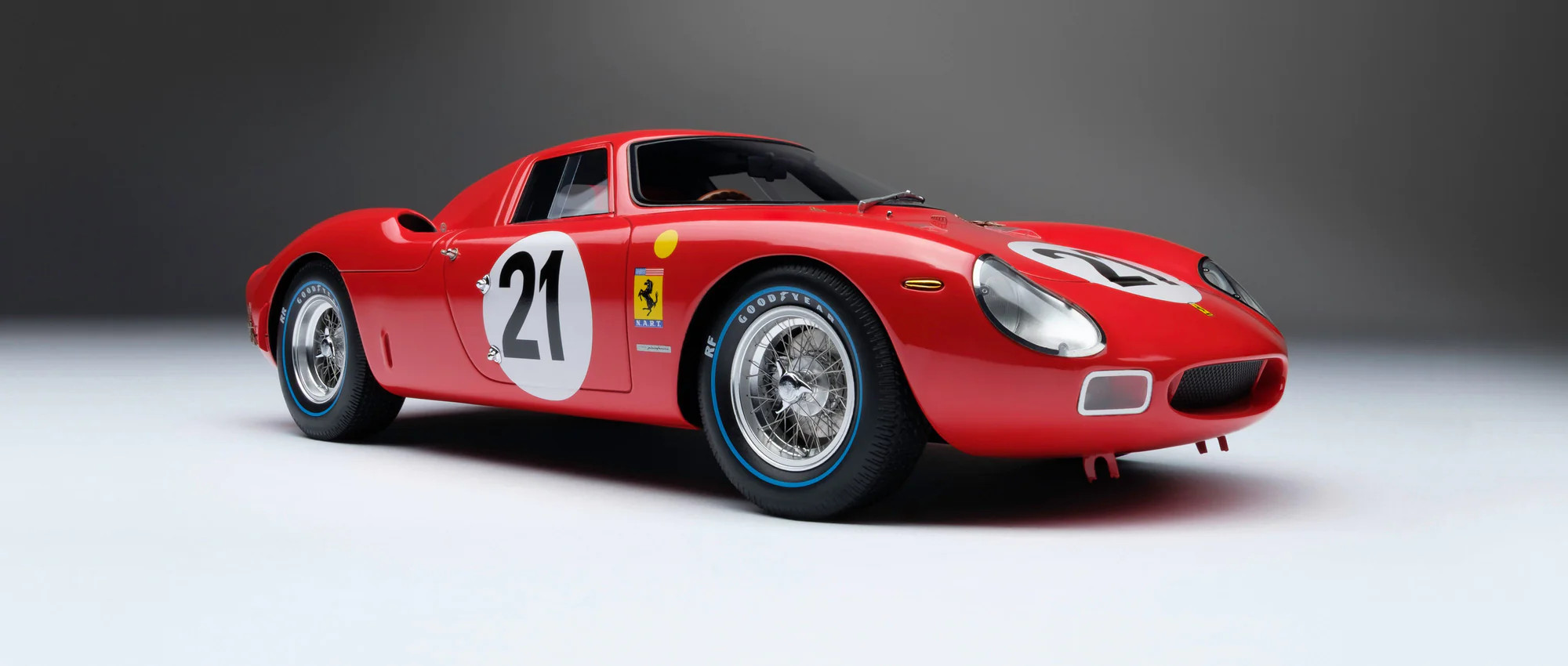
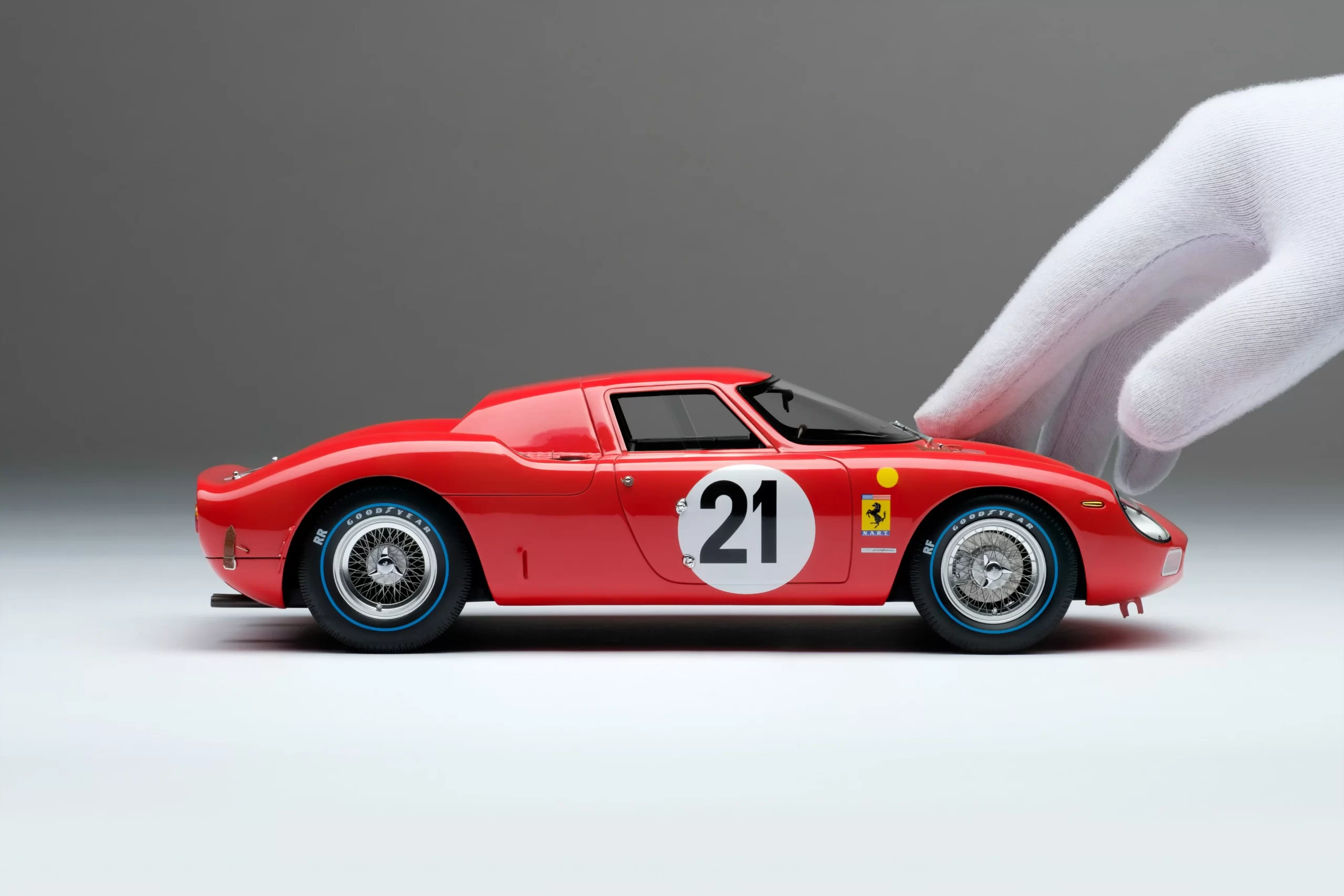
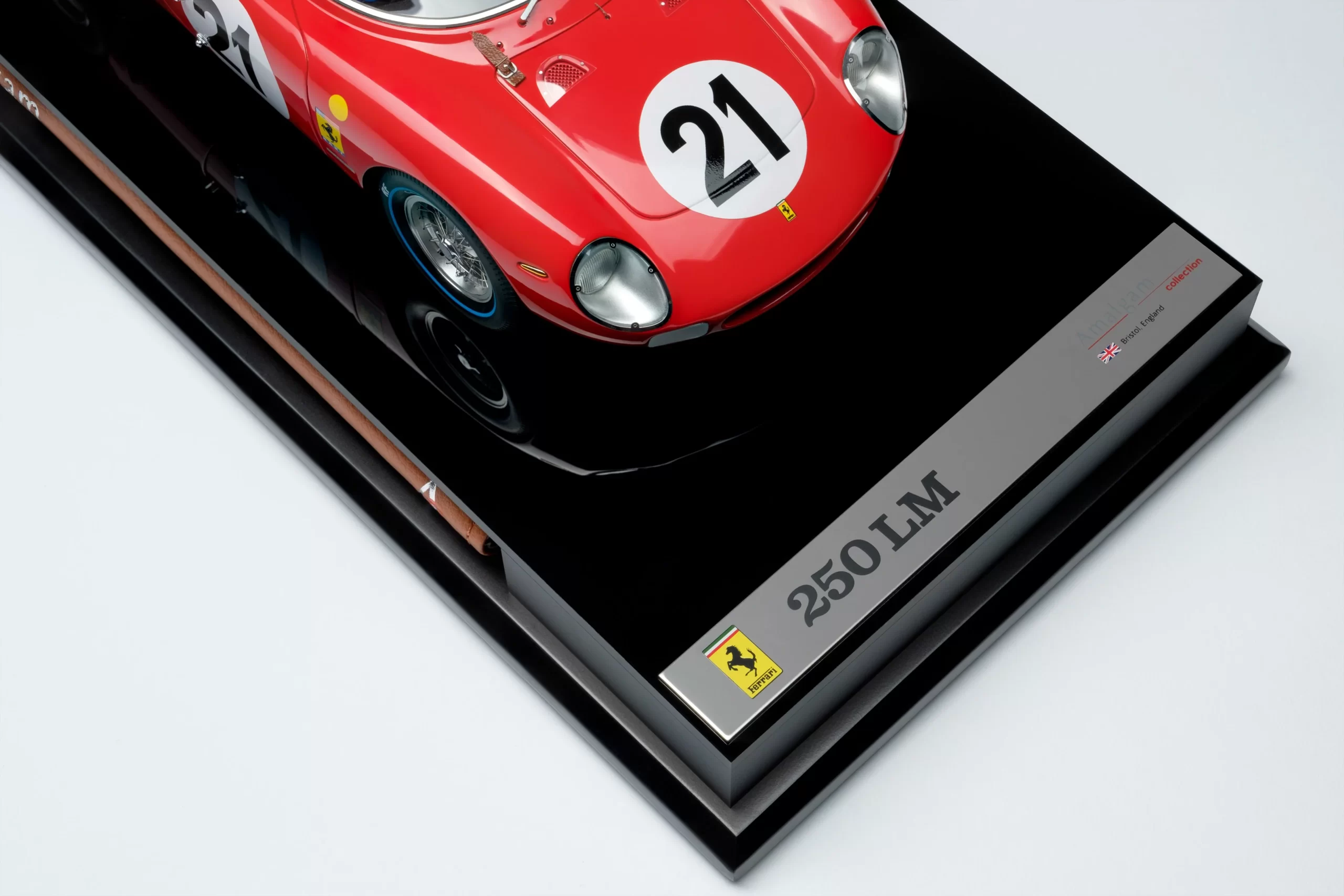
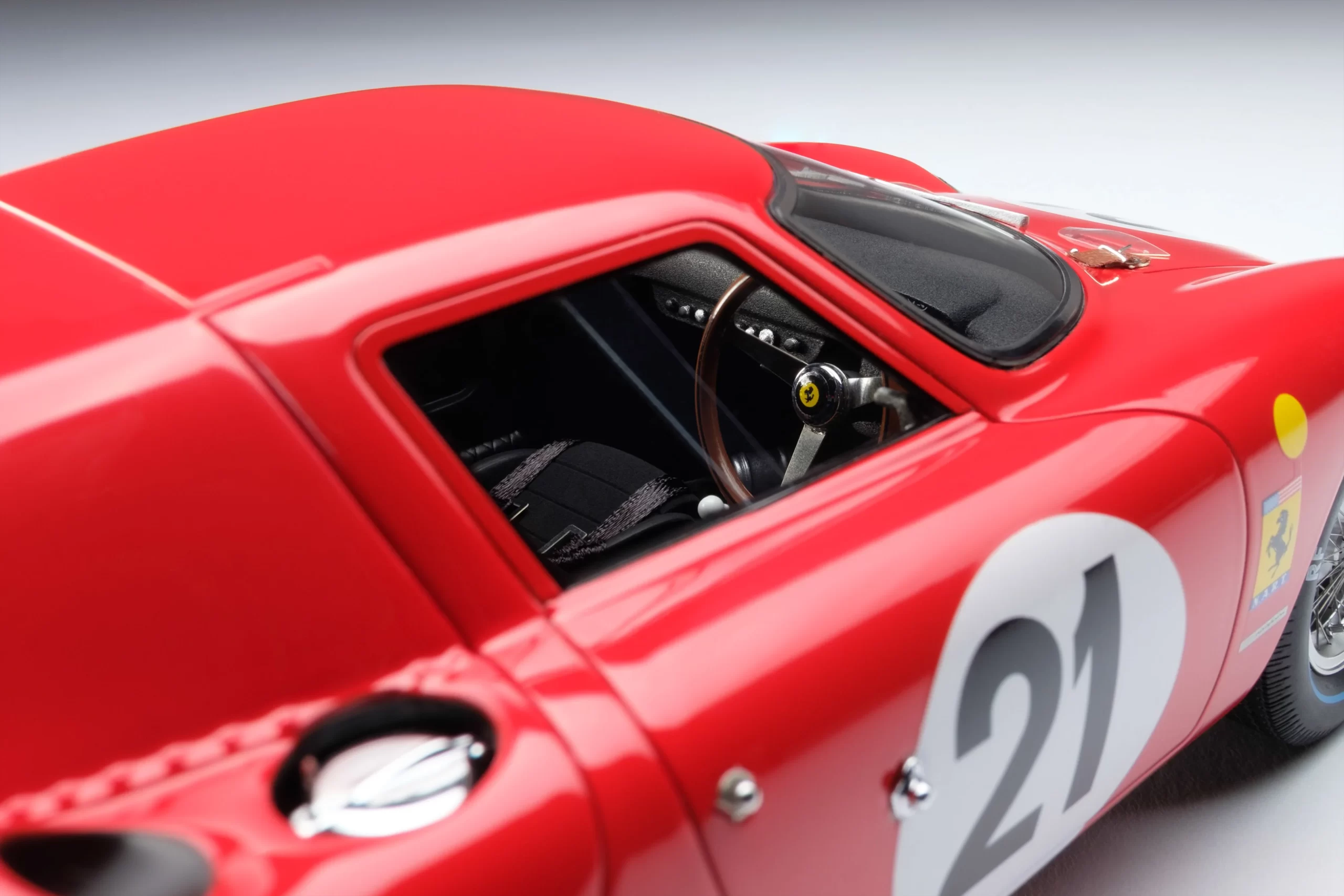
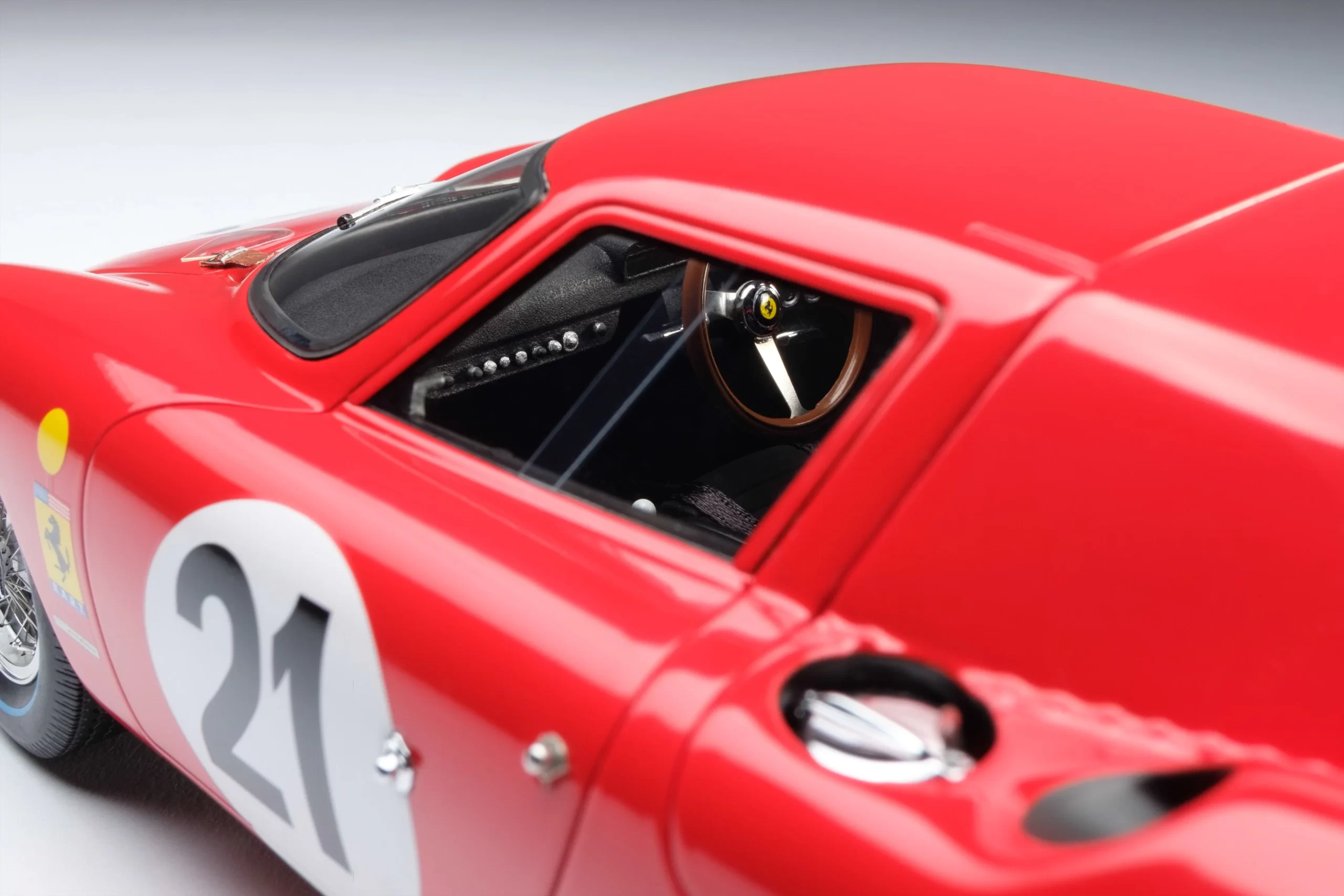
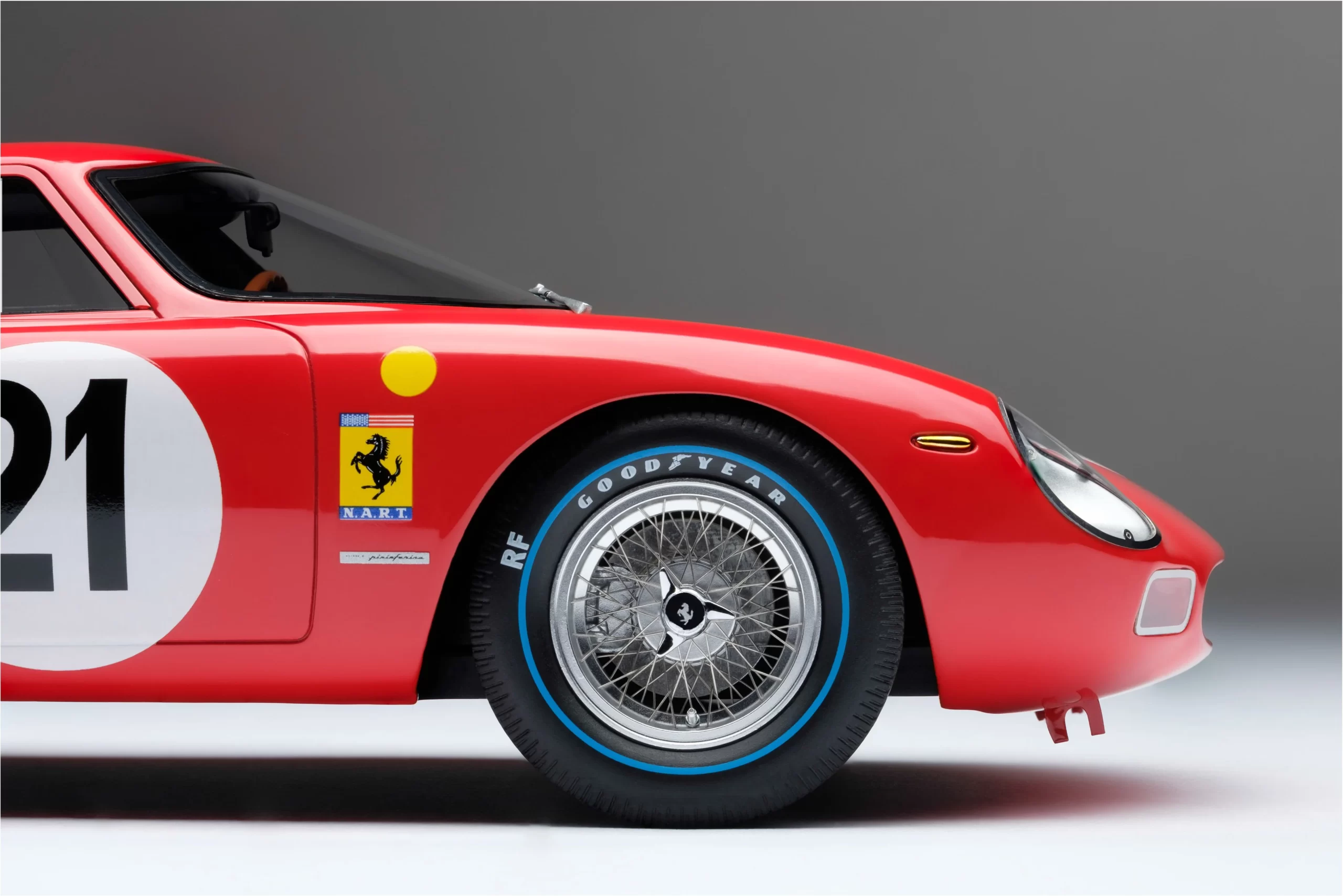
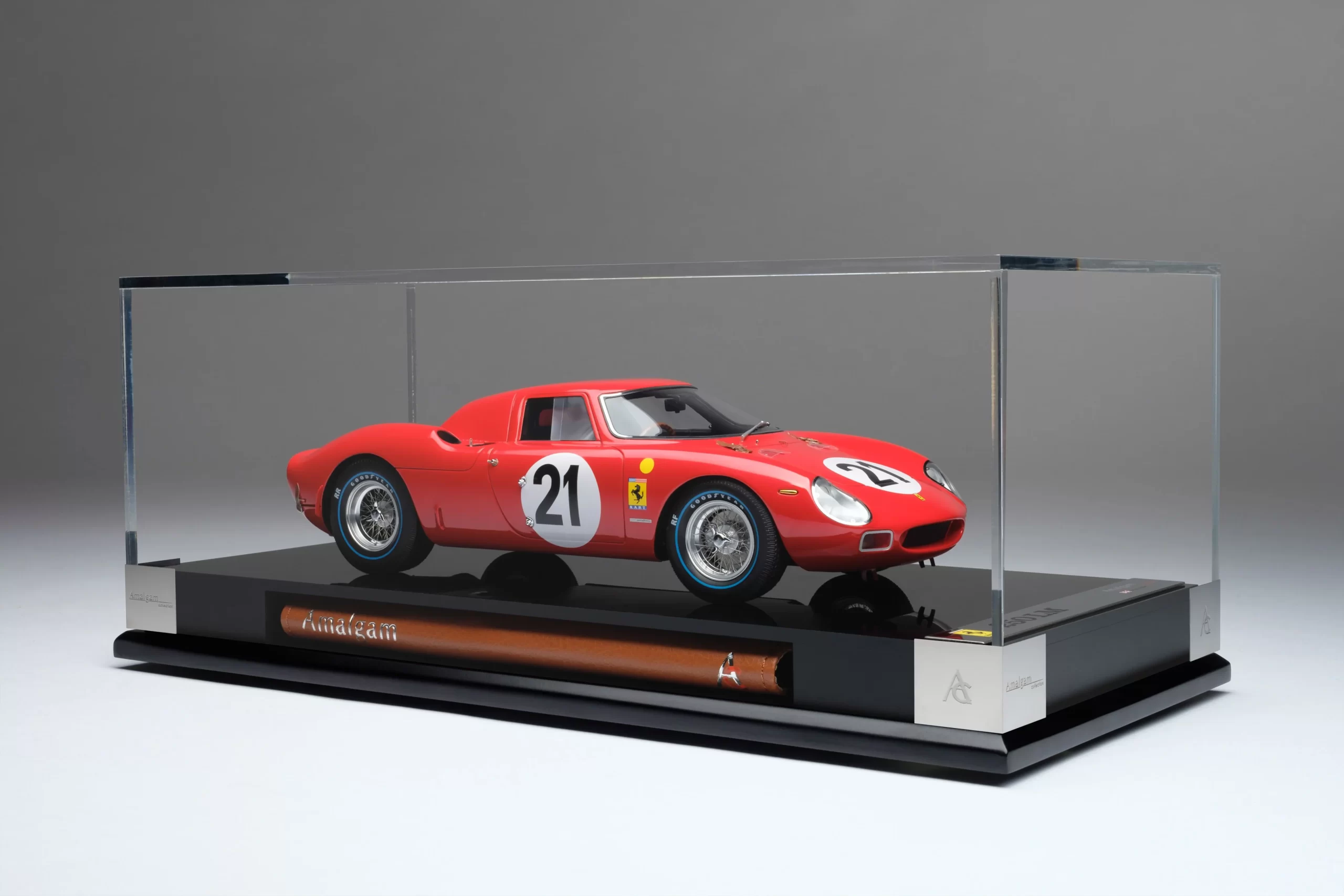
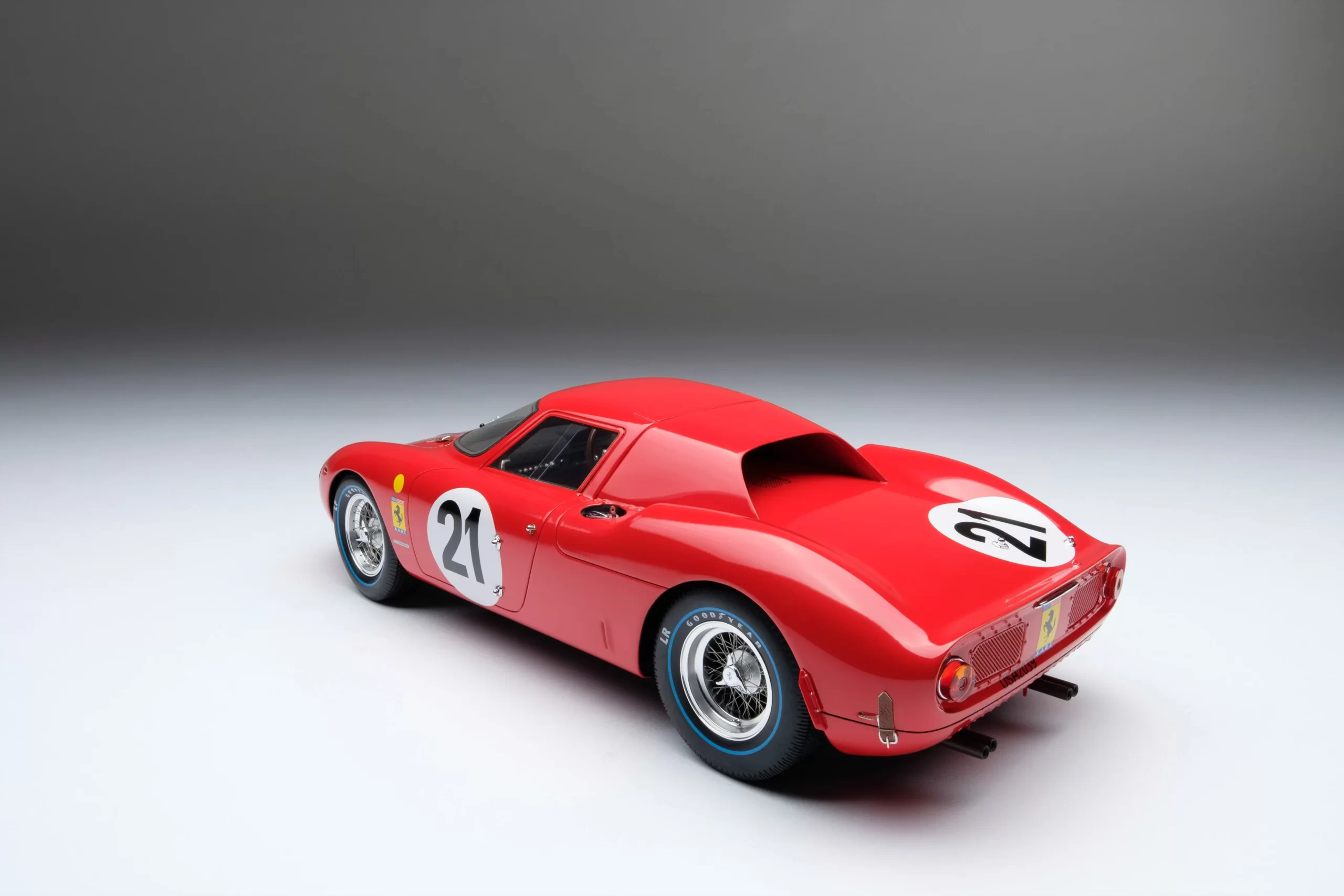
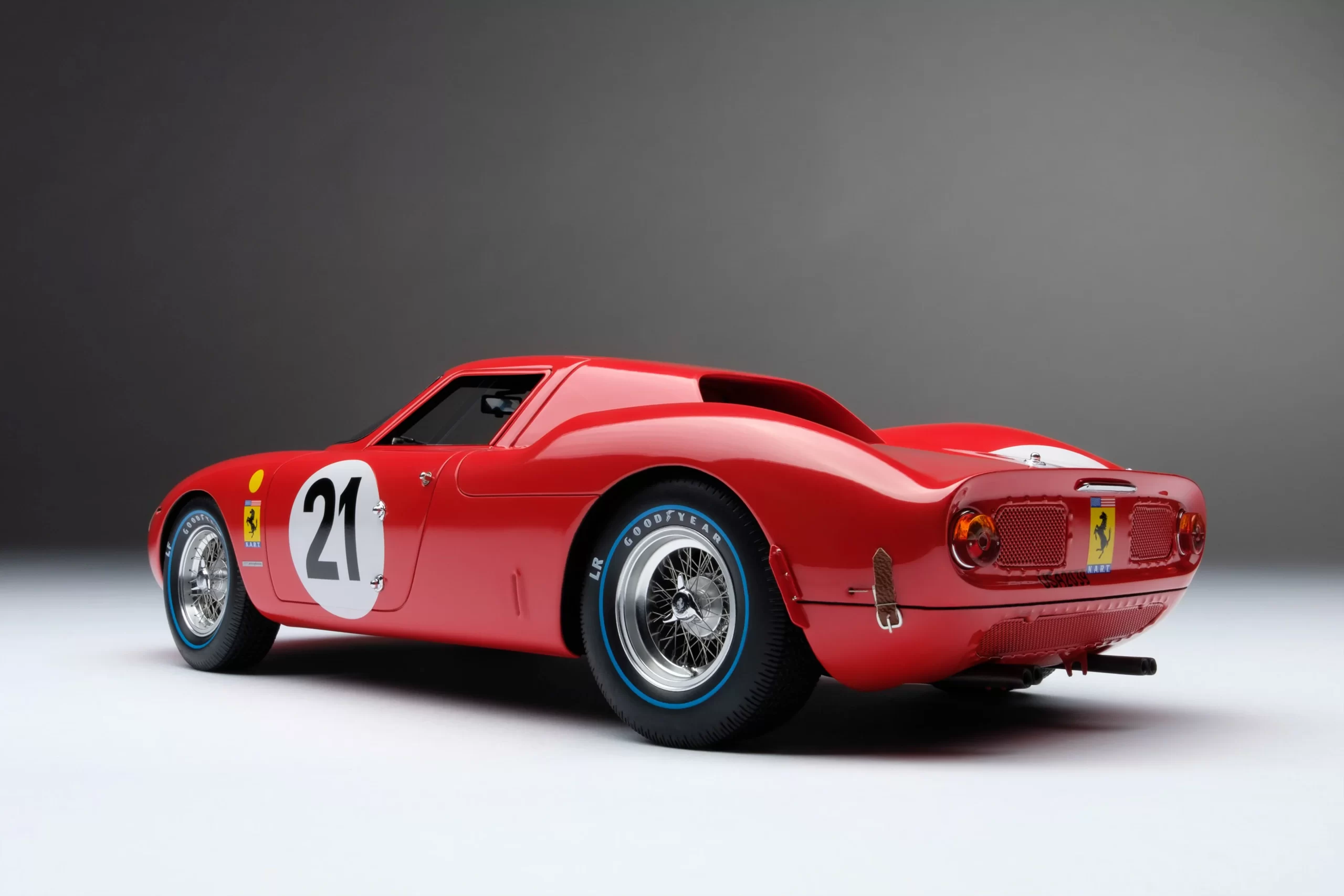
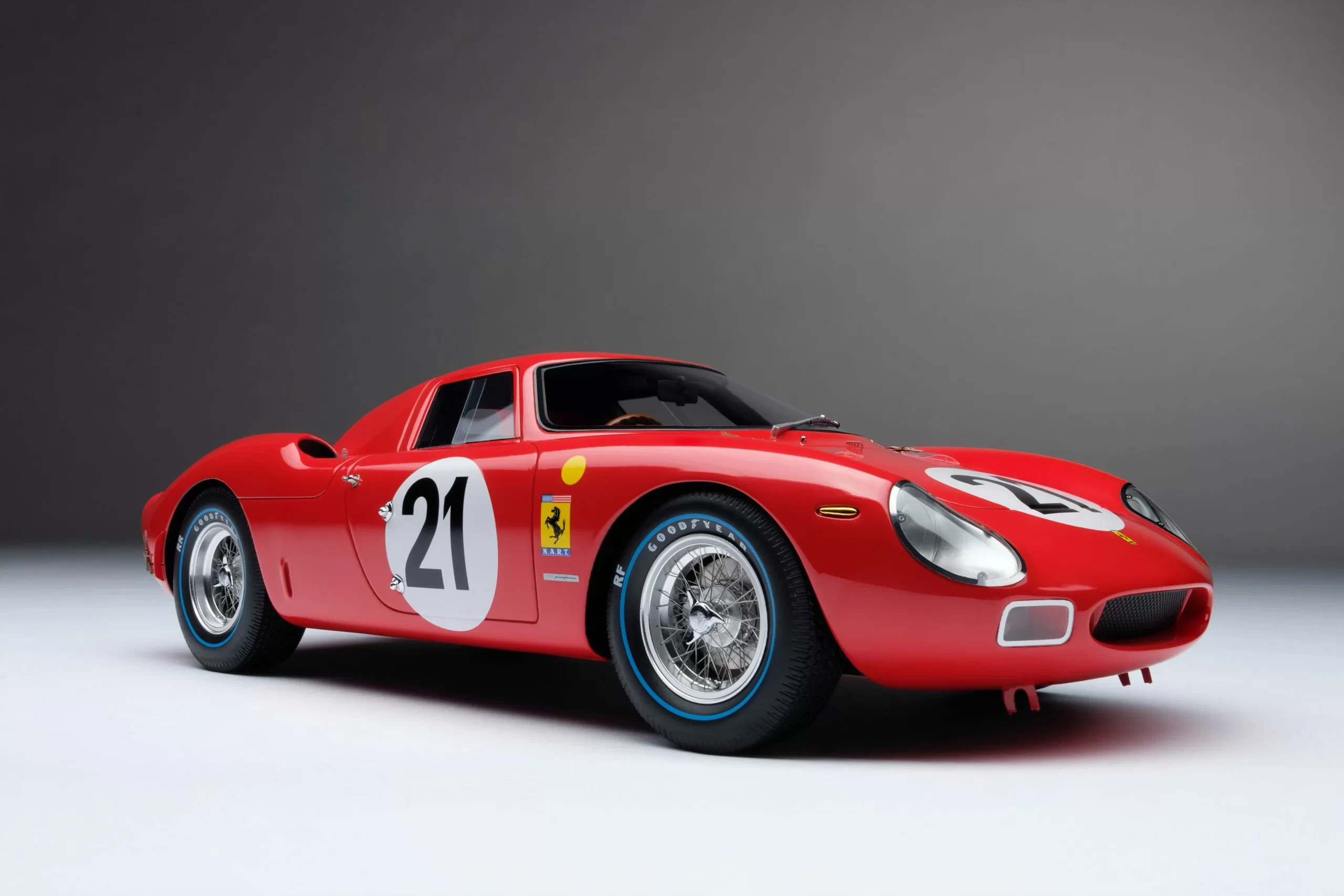
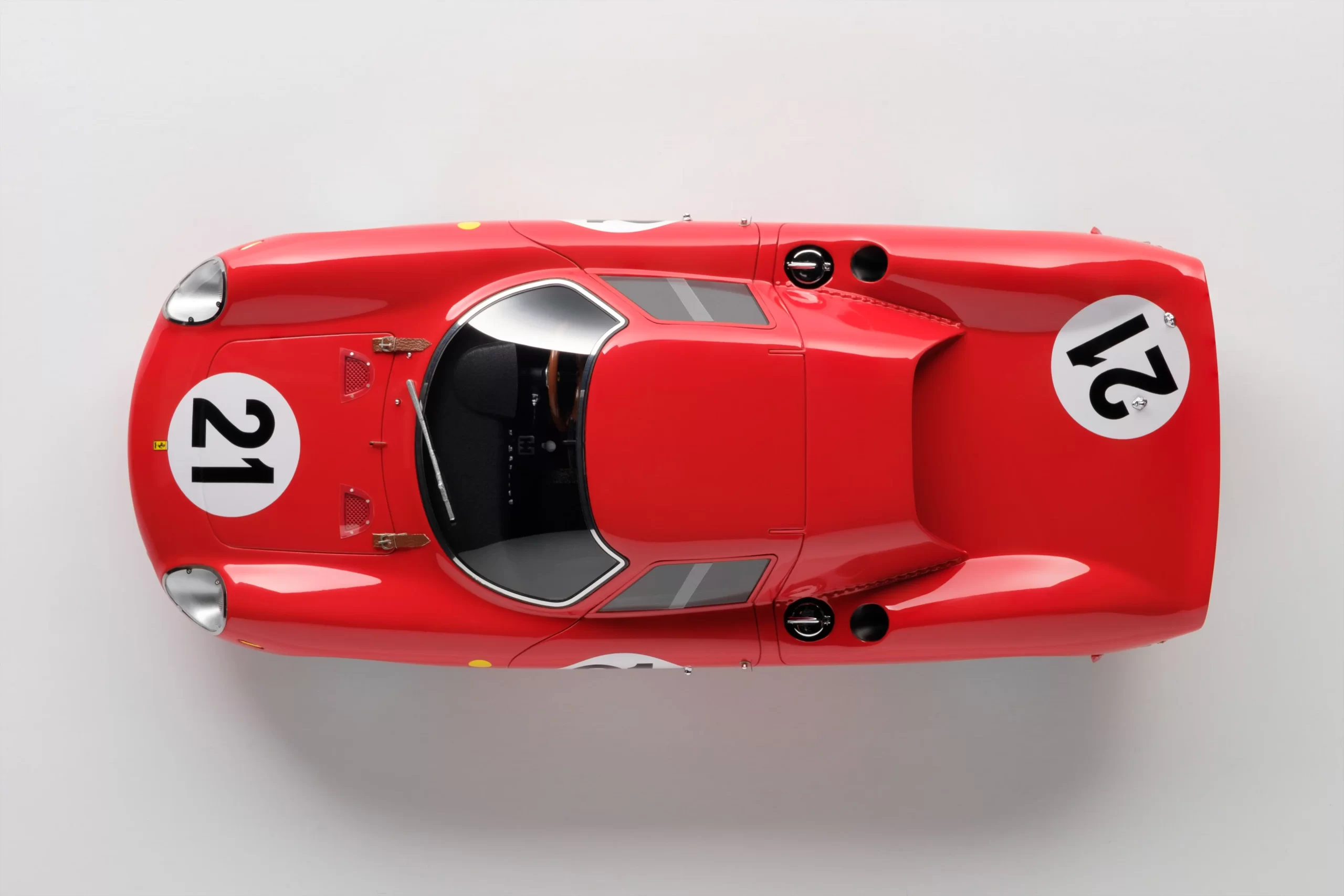
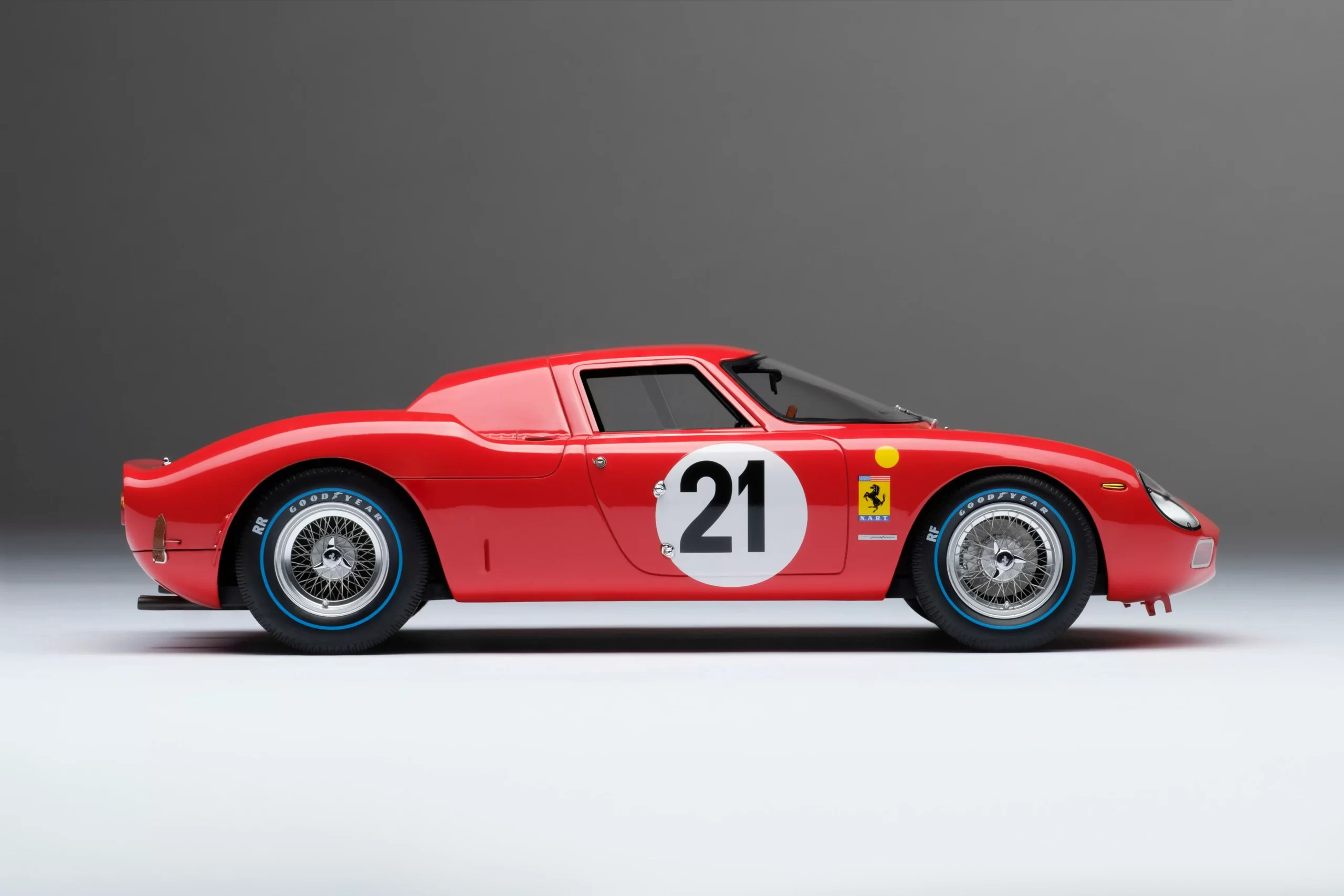
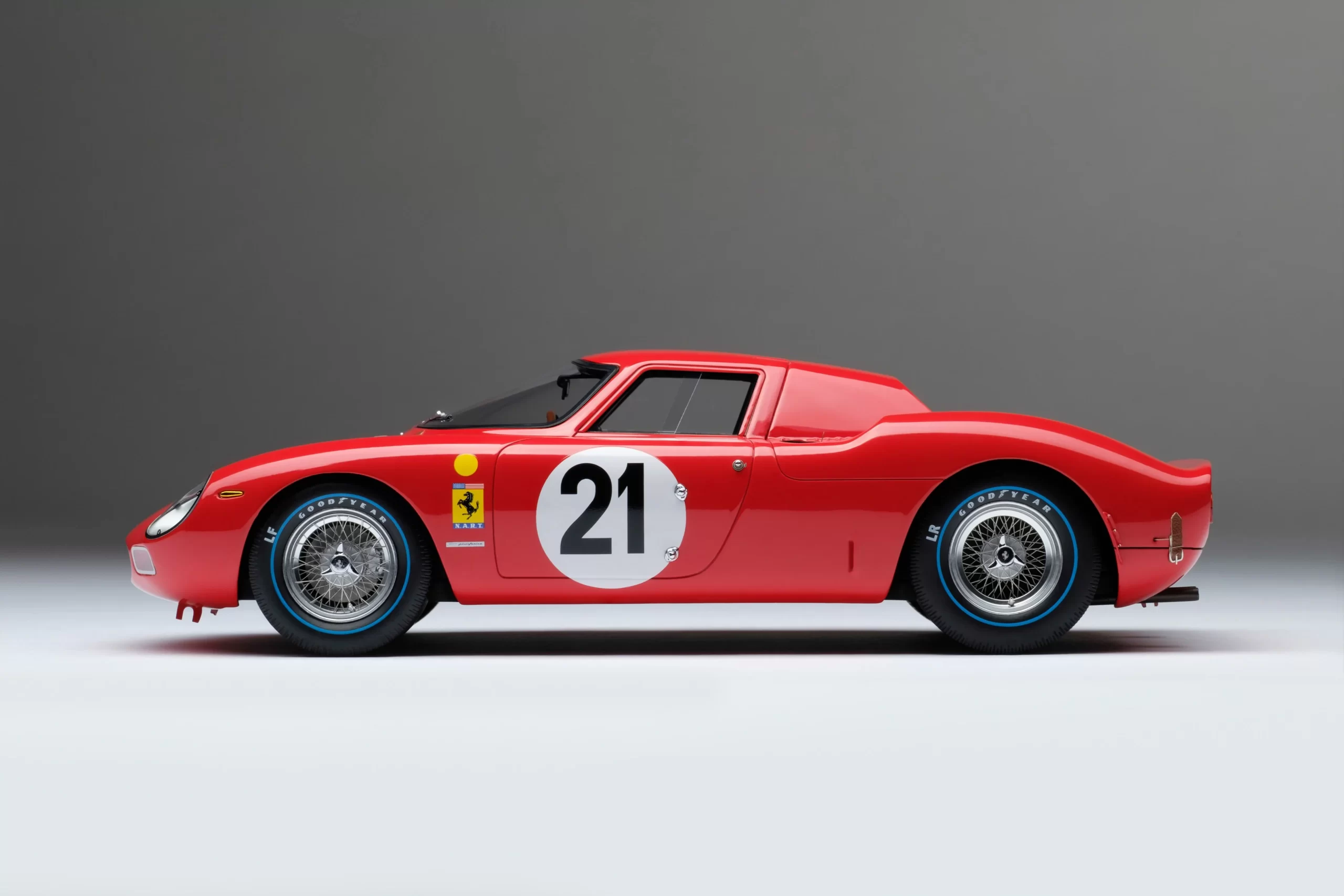
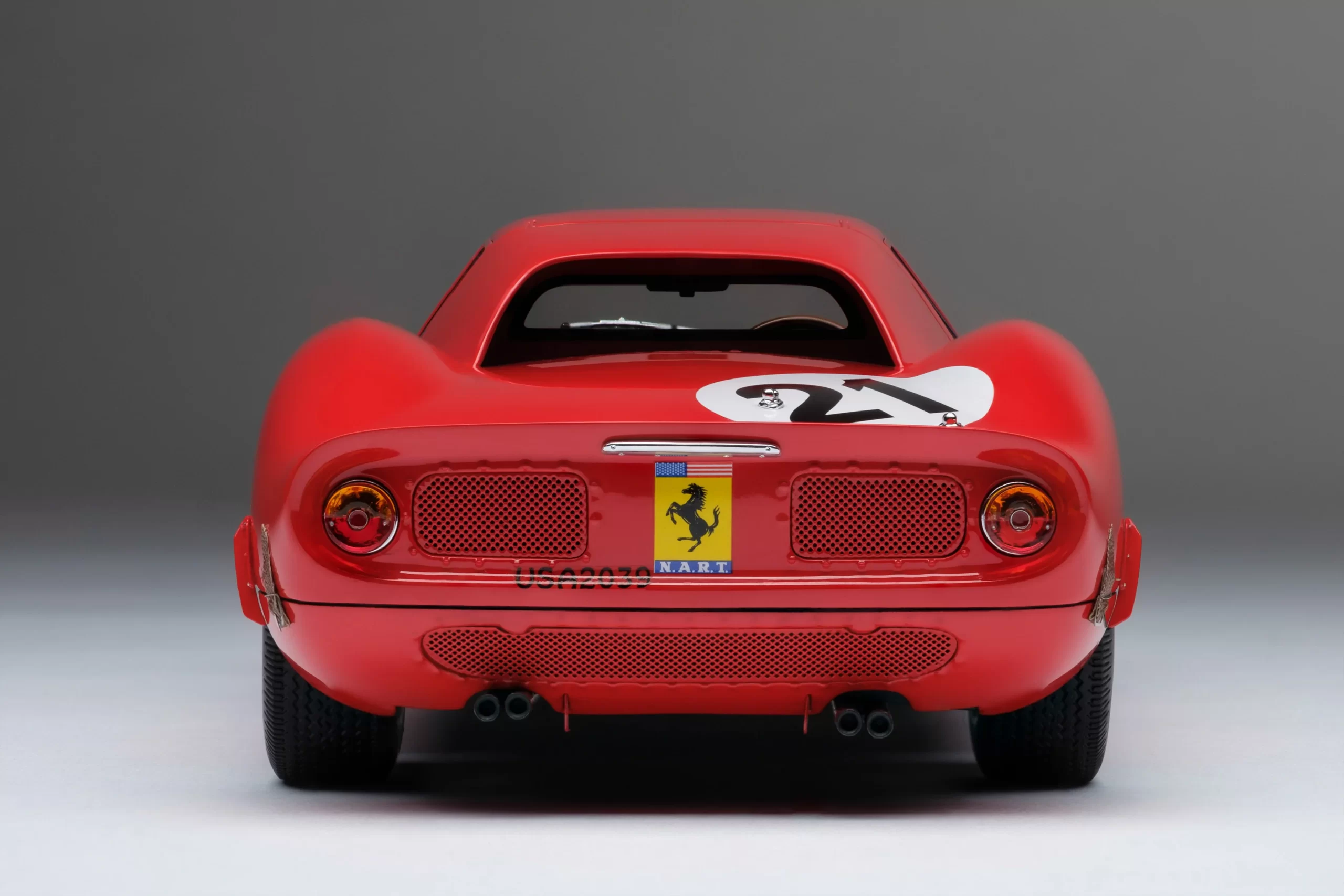
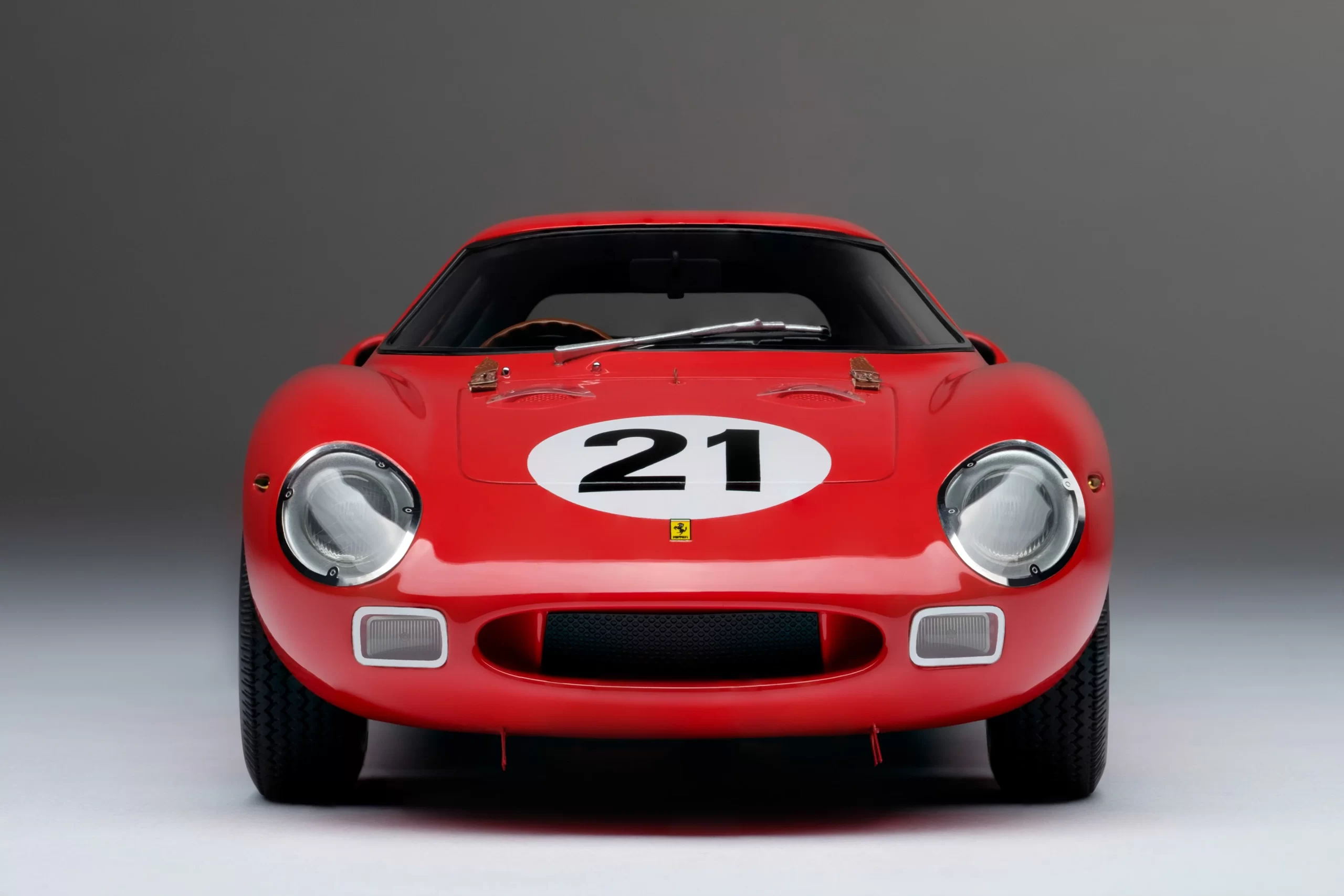
Amalgam Ferrari 250 LM Winner 24 Hours of Le Mans 1965 #21 driven by M.GREGORY/J.RINDT 1:18
- How Masten Gregory and Jochen Rindt drove to victory in the 24 Hours of Le Mans at the Circuit de la Sarthe on 19 and 20 June 1965
- Model on a scale of 1:18, over 22 cm long
- Each model is built and assembled by hand by a small team of craftsmen
- Made from the highest quality materials
- Over 800 hours to develop the model
- Precisely manufactured parts: Castings, photo-etched parts and CNC-machined metal components
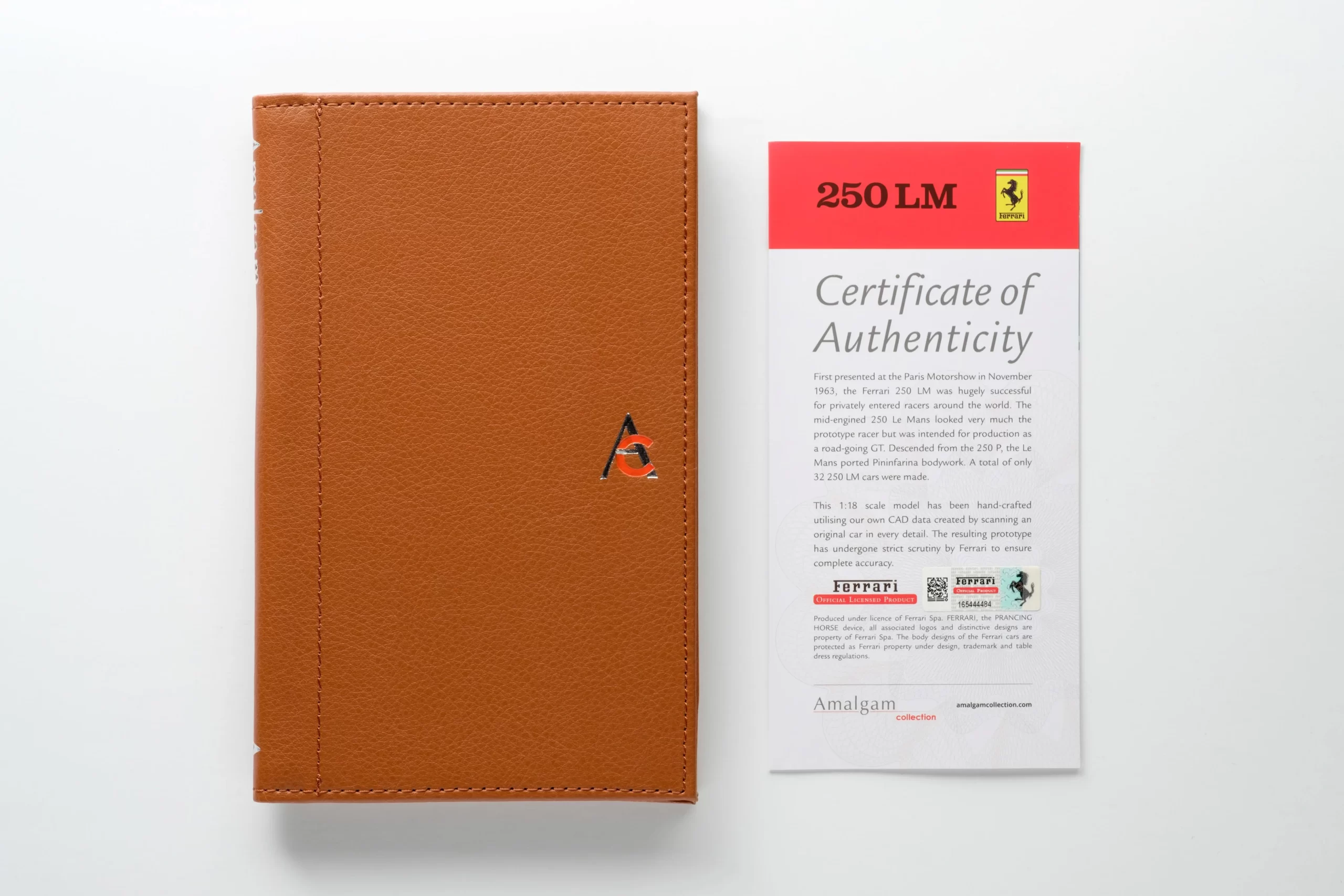
- Original CAD designs created from scans of chassis 6321
- Archive images and colour codes provided by Scuderia Ferrari
- Officially licensed 24 Hours of Le Mans race
The Ferrari 250 LM occupies an exalted place in the pantheon of prancing horse legends. Although the FIA scuppered Ferrari's plans to dominate the GT class by refusing to homologate the 250 LM and forcing it to compete directly against other prototypes, it still raced to considerable success with an extensive list of victories around the globe. The car's finest moment came at Le Mans, when it celebrated a somewhat surprising triumph on the track after which it was named. It remains Ferrari's last overall victory at the Circuit de Sarthe.
Unveiled at the Paris Motor Show in October 1963, the 250 LM was the Berlinetta version of the 250 P racing prototype, sharing the same tubular frame chassis and running gear with only minor modifications. Its mid-engined layout allowed Sergio Scaglietti to wrap the flowing, voluptuous aluminium body around the chassis, with the arched rear arches merging into a comb-back rear end. The car was only 44 inches tall and featured a 3.3-litre V12 engine with 320 hp, giving it a top speed of 178 mph (287 km/h)
Ferrari engineers intended to produce the car as a road-going GT to replace the hugely successful 250 GTO. However, as only 32 chassis had been built between 1963 and 1965, the FIA refused to homologate the car, forcing it to compete with real prototypes such as the Ford GT40 and reducing its chances of winning. Despite this, the 250 LM was raced by both works and private teams around the world with considerable success. In 1964, it won ten of the 35 races entered. In the 1965 World Sportscar Championship, the car contributed important points to Ferrari's ultimate triumph in the International Trophy for GT Prototypes, winning the Spa 500 km with a double victory, the Mugello GP (with all three podium finishes) and the Coppa Città di Enna, as well as further podium finishes in the 12 Hours of Sebring, the RAC Tourist Trophy, the 12 Hours of Reims and the Bolzano-Mendola Hill Climb. The highlight of the 250 LM's racing career was undoubtedly the 24 Hours of Le Mans in 1965.
Luigi Chinetti's North American Racing Team 250 LM entry, officially piloted by Jochen Rindt and Masten Gregory, enjoyed a legendary victory, beating the arguably favoured Ford GT40s and leading a Ferrari home 1-2-3. The 250 LM of Pierre Dumay and Gustave Gosselin finished second ahead of Willy Mairesse and Jean Blaton in a Ferrari 275 GTB. Legend has it that a third, unregistered driver, Ed Hugus, delivered a stunning stint in this car in the early hours of the morning to replace Rindt, who had disappeared from the track at Le Sarthe.
Today, the 250 LM is a coveted collector's car, with most examples regularly selling for over ten million dollars at auction. In 2015, chassis 6105 was auctioned for 17.6 million dollars.
This fine 1:18 scale model of the Ferrari 250 LM was driven to victory by Masten Gregory and Jochen Rindt in the 24 Hours of Le Mans at the Circuit de la Sarthe on 19 and 20 June 1965, and is set to be the first real battle between Ford and Ferrari. The Americans arrived with no fewer than six GT40s, two of which were equipped with colossal seven-litre engines. Ferrari's three works and seven private entries may have outnumbered Ford, but they were all significantly underpowered. The #21 North American Racing Team entry, piloted by Masten Gregory and Jochen Rindt, qualified eleventh, a full 12 seconds off the pace, and never looked like being in contention for a podium, let alone a win. This looked even more unlikely after the NART rookie spent half an hour in the pits very early in the race, with a misfire being put down to nothing more serious than a dodgy condenser.
Ford started the race strongly, but after a quarter of a distance it had already become a total disaster for the Americans, and not a single one of their entries remained. Ferrari was bound to lose. Ferrari's own entries began to fade, however, as the two Maranello concessionaires and Ecurie Francorchamps privateers retired overnight. Then the works team began to suffer. The drivers struggled to slow the cars and were told to use the engine brake instead, putting unbearable strain on their drivetrains, two succumbed to gearbox damage, the third to engine failure. It later transpired that a faulty batch of disc brakes was the culprit.
As the morning dawned, the #21 car of Gregory and Rindt found itself in second place, two laps behind the leader, another 250 LM with a far slower crew of Pierre Dumay and Gustave ‚Taf‘ Gosselin at the wheel. The number 21 car was gaining five seconds per lap on the leader and had spectators anticipating a potential photo finish until a tyre on the Belgian car exploded at high speed on the Mulsanne straight. Despite severe damage, Gosselin managed to get the car back to the pits, but vital time was lost repairing the damage and the car returned to the track behind the NART entrance. Rindt and Gregory drove to victory despite the fragile differential and finished the race five laps in front.
Item number: M5902
 German
  English
  Italian
  French
  Spanish
  Arabic
  Japanese
Reviews
There are no reviews yet.